
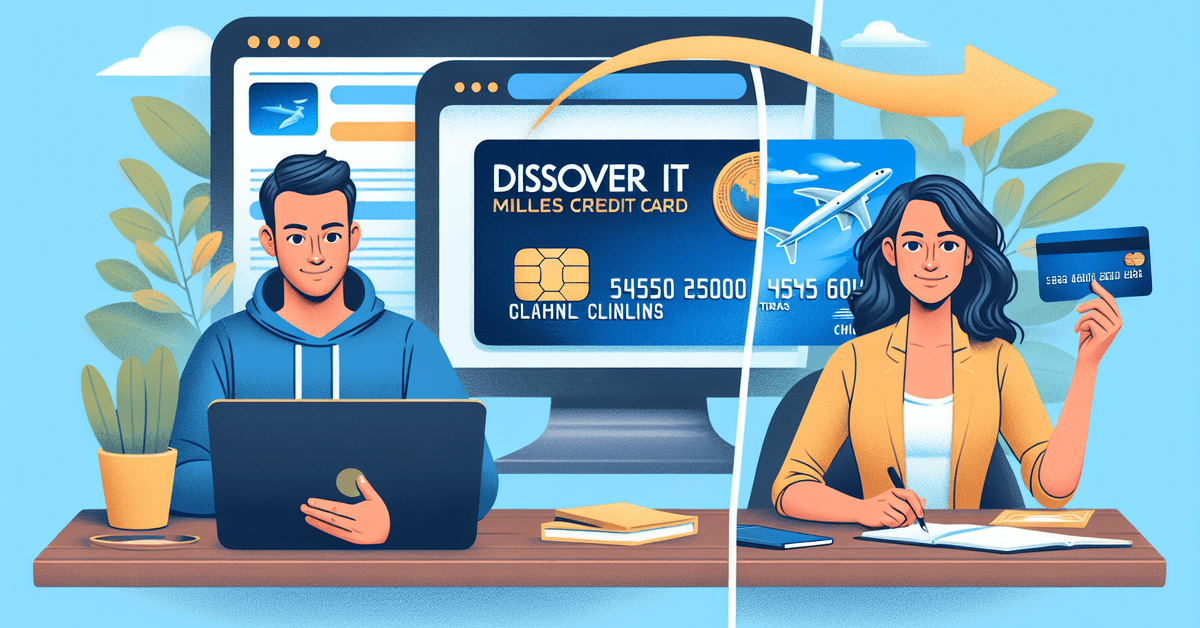
For first-time credit card applicants interested in rewards, the Discover It Miles card stands out as a beginner-friendly choice.
Navigating the application process for a travel rewards credit card might seem overwhelming, yet with the right guidance, the steps are simpler than they appear.
This article offers a clear, easy-to-follow guide for those who haven’t applied before or who want to make a smart, informed decision about getting started with this popular card.
If you are new to credit cards, travel rewards, or considering your first-ever application, this article aims to break down what matters—without assuming too much prior experience.
Why Choose Discover It Miles as a Beginner?
For someone just starting to build credit or new to the world of credit cards, the Discover It Miles card offers a unique blend of simplicity and value. It might not be the only card for beginners, but it tends to be a standout for several reasons.
No Annual Fee Worries
One benefit that usually gets attention: there is no annual fee . For new applicants still learning how to manage payments or track spending, not being charged yearly can feel like a safety net.
Unlimited 1.5x Miles on All Purchases
The rewards system is straightforward — 1.5 miles per dollar spent on every purchase. There’s nothing to track, no confusing categories, and rewards can be redeemed at any time.

First Year Match Bonus
Perhaps the feature most beginners find helpful is that after the first year, all miles earned are automatically matched by Discover. Basically, if you earn 15,000 miles, you get a one-time bonus of another 15,000 miles.
Simple Redemption Options
Unlike some travel cards, miles can be redeemed as statement credits for travel—including flights, hotels, and car rentals—or even as cash.
Step-By-Step: Preparing for Your Discover It Miles Application
Before starting the application, a bit of preparation can help reduce stress and improve chances of approval. It’s not always obvious what’s needed, so here are some things to think about in advance.
Review Basic Eligibility Criteria
- Be at least 18 years old (19 in some states).
- Have a valid Social Security Number.
- Stable U.S. address.
- No recent bankruptcy filings or delinquencies.
Check Your Credit Score
Discover tends to prefer applicants with at least fair to good credit (usually a FICO score of 670 or above, but first-timers with no negative history might still qualify).
Starting with a free credit check—using a reputable service or even Discover’s own free tool—can give an idea of readiness.
Gather Key Information
- Full legal name, address, and contact info.
- Employment status and annual income estimate.
- Housing situation: rent, own, or live with family.
- Monthly housing payment amount.
The Application Process Explained
When applying online, the process should only take about 5–10 minutes . For most applicants, these are the key steps along the way.
Step 1: Visit the Official Discover Website
It is safest to apply directly through discover.com . This minimizes the risk of phishing or other unsafe practices. Discover’s secure portal offers a clear path to the application page.
Step 2: Complete the Application Form
Here, you’ll be asked to provide personal details, income, and housing information. It’s important to answer as accurately as possible, especially as some of this will be verified later. The form’s design is straightforward, and most fields are self-explanatory.
Step 3: Review the Terms and Disclosures
Before submitting, a review of the interest rates, fees (if any), and privacy policy can clarify commitments.
Not everyone reads the fine print, but even a quick scan highlights the “no annual fee” promise and the details about late payment penalties or APR changes.
Step 4: Submit and Wait for a Decision
Approval decisions are sometimes instant but might require a brief wait for additional verification. For some, an email follows within minutes; for others, it may take a day or so if Discover requests more information.
Step 5: Verification or Additional Documents
Occasionally, Discover requests extra documents to confirm details (for example, proof of income or address). While relatively rare, it’s not unusual among new applicants or those with sparse credit history.
What Happens After Application?
After approval, your card is typically mailed within a week. If it’s denied, a letter outlining the reasons comes soon after. Either way, this feedback helps for future applications.
If Approved
- Expect your card in 5–7 business days.
- Set up your online account as soon as you receive it.
- Activate, review card benefits, and read onboarding materials.
If Denied
- Read the mailed denial letter—it details why you were not approved.
- Check your credit report for accuracy.
- Consider applying again after addressing any flagged issues.
Beginner Tips for Getting the Most from Discover It Miles
Once the card is open, a few habits help maximize value while avoiding missteps. It isn’t just about the reward miles; building healthy credit habits early can really pay off long-term.
Track Your Spending Every Month
Having the ability to view your spending in real time could help you keep your balance in check. Many beginners rely on the Discover app or dashboard for alerts or to see categories where dollars add up.
Pay Balances in Full Each Cycle
Interest charges can wipe out the value of your earned miles. Beginners often find it’s easiest to set a calendar reminder or automatic payment to avoid carrying a balance.
Redeem Miles Wisely
Miles don’t expire, so patience is sometimes a good thing. Redeeming for travel purchases could provide the best value, but having a flexible cash option is a plus in emergencies.
Understanding Fees and Terms
Annual fees aren’t the only thing to consider. While the Discover It Miles boasts no foreign transaction fees, late payment fees and high APR penalties for missed payments do still apply.
Reading through the cardmember agreement—or at least the summary—gives you a sense of the full picture.
Interest Rate Cautions
Introductory offers sometimes include a low APR period, but after that, rates can climb. Beginners might sometimes forget that even small carried balances attract interest.
Dealing with Application Anxiety
It’s common to feel concerned about whether approval will happen or how applying might affect credit.
The good news is a single hard inquiry impacts scores only slightly—and usually rebounds over a few months.
Thoughts on Credit Score Impact
Applying for multiple cards in a short span could sometimes worry lenders, but a single application is rarely a deal breaker.
If unsure, checking pre-approval options before completing the full application can be a low-stress initial step.
Alternatives to Discover It Miles for Beginners
The Discover It Miles isn’t the only beginner card, of course. Other options from Capital One, Chase Freedom, or Citi might suit those with different preferences or credit levels.
Comparing cards on trusted sites such as NerdWallet , Credit Karma , or Bankrate could clarify what’s out there for first-timers.
Legal and Tax Considerations
Most rewards earned from spending (like miles) are not taxable, but special promotions or bonuses could, on rare occasions, create tax questions.
If ever unsure, a quick check with a tax advisor or the IRS website might prevent future surprises.
Conclusion
The Discover It Miles card offers a simple and beginner-friendly way to earn travel rewards without an annual fee. Understanding the application process helps reduce uncertainty and improve approval chances.
Responsible use, including paying balances in full and monitoring spending, builds strong credit habits.
Taking advantage of rewards and avoiding interest ensures better long-term value. Overall, this card is a solid starting point for anyone entering the world of credit cards.