Trying to get a Coppel credit card when you have bad or no credit might seem tricky. Many people in similar situations worry it’s impossible.
But there may be options if you understand how the process works. This article explores the steps, benefits, and things to watch for if your credit history is less than perfect.
Whether you’re just starting out financially or recovering from credit challenges, this guide is for you. You’ll learn realistic strategies, suggested documentation, and what the application journey is typically like.
Why Would Someone with Bad or No Credit Apply for a Coppel Credit Card?
Rebuilding or creating credit can take time. Having access to store-financed credit cards like the one from Coppel may be an entry point. Some look to Coppel because it’s perceived as more accessible compared to bigger banks.
Others need an option for making larger purchases, such as electronics or furniture, that can be paid off gradually.
In these cases, being accepted for a credit card, even with limited credit history, might make a difference.
Is Coppel Friendly to Applicants with Bad or No Credit?
Coppel’s requirements are generally more flexible than traditional financial institutions. Sometimes, individuals with no prior credit file get approved. Still, there’s no absolute guarantee—approval can vary case by case.

Some applicants mention in online forums that income and a steady job may matter more to Coppel than credit score alone. However, the company will still verify your financial situation before making a decision.
Main Requirements to Apply for a Coppel Credit Card
The steps usually start with meeting these baseline conditions:
- Being at least 18 years old
- Possessing a valid, government-issued photo ID
- Having proof of address (usually recent utility bill or similar)
- Demonstrating proof of income (pay stub, pension, or business receipts)
With bad or no credit history, proving your ability to repay the card tends to become especially important.
How the Application Process Works for People with Poor Credit?
Step 1: Go to a Coppel Store
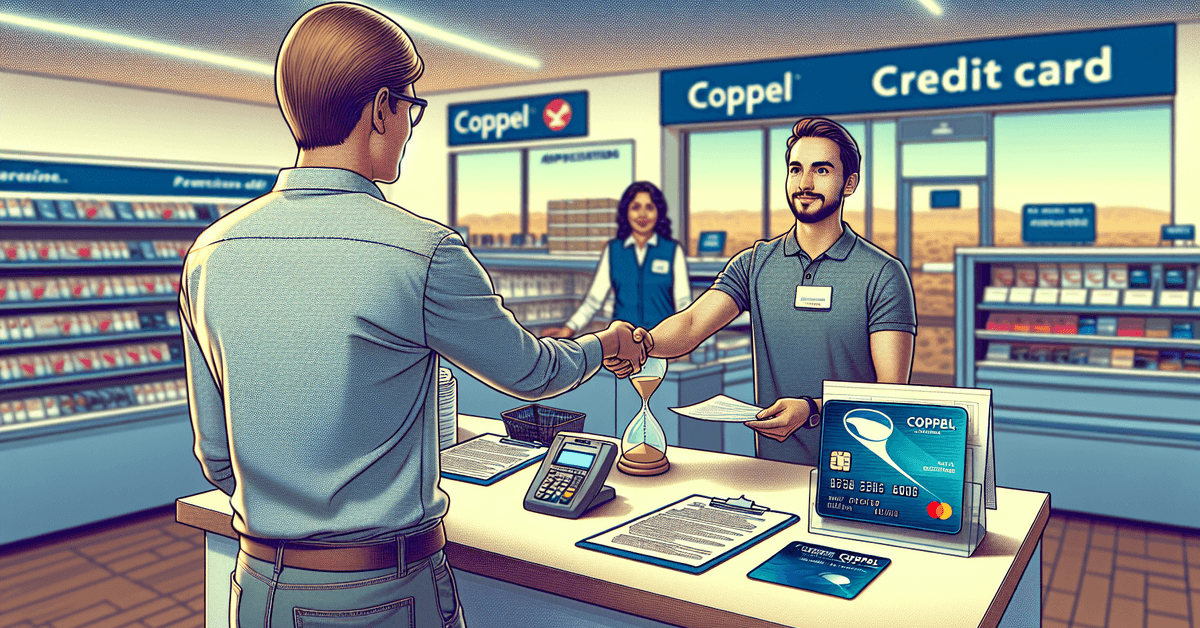
Most applications happen in person at a physical Coppel location. It’s the standard way. In-store staff may answer any initial questions and guide you through the paperwork.
Step 2: Present Required Documentation
Bring all the documents mentioned earlier. If you lack formal proof of income, Coppel may sometimes accept informal income evidence, but it’s not always certain.
Step 3: Fill Out the Application
This involves sharing your personal and financial details. Coppel often runs a quick review while you wait, although some cases require a longer assessment period.
Step 4: Review of Creditworthiness and Decision
If you’ve never had credit before, you may be asked for additional information. There are occasional reports of applicants with bad or zero credit being approved, especially if other aspects of their profile align with Coppel’s standards.
Tips to Improve Your Chances for Approval
Show Stable Income Sources
If you can show a track record of regular income, even if it’s informal, your odds might go up. Consistency is almost always a positive signal for lenders.
Use a Co-Signer
If your history is very limited or marked by defaults, you could apply with a co-signer. Co-signers add confidence for the lender, sharing responsibility in case of missed payments.
Maintain Current Accounts
Bringing proof that you already pay for things like water, electricity, or even a mobile phone plan could demonstrate responsibility. Even small positive habits affect how risk is seen.
What Happens if You’re Not Approved?
Sometimes, no matter how prepared you feel, Coppel may deny your application. The most frequent causes involve incomplete documentation or insufficient proof of ability to pay. It can feel discouraging, but it isn’t the end of the road.
If this happens, consider requesting detailed feedback. Sometimes it’s just a missing document. Often, resolving the issue can allow you to reapply after a short period.
Rebuilding Credit with a Coppel Card—If Approved
If you’re approved, using your Coppel credit card responsibly may help you begin building a stronger credit history.
Paying the balance on time and keeping usage balanced could eventually open up more financial options elsewhere.
However, it’s important to keep in mind that Coppel credit cards often carry high interest rates. What you pay in monthly fees or missed-payment penalties can add up quickly. Being aware of these costs is key to avoiding future issues.
Alternatives If You Can’t Get Approved
Some people find it helpful to start with other forms of credit, such as:
- Secured credit cards (backed by a cash deposit)
- Small personal loans through local credit unions
- Becoming an authorized user on a trusted friend or family member’s card
There is also the option of gradually building credit by consistently paying bills in your own name. Over time, these actions might improve your eligibility for a Coppel card, too.
Common Mistakes When Applying with Bad or No Credit
Applying Without Reading Terms
In the excitement of getting a first credit card, it’s surprisingly easy to neglect the fine print. This might result in unexpected fees or limitations later on, so a patient review may prevent surprises.
Overestimating Repayment Capacity
The temptation to use a higher credit line can be strong. Coppel sometimes sets modest initial limits for new cardholders with riskier profiles, but even these should be used with care. Debt creep often happens faster than expected.
Key Features of the Coppel Credit Card for New Credit Users
- Ability to shop in Coppel and via their website
- Access to payment plans for specific purchases
- Potential for later credit line increases after positive usage
It’s worth noting that not all Coppel cards work the same way. Benefits and rules may shift depending on your application details and card type offered.
Is It Worth Applying for a Credit Card with Limited Credit History?
This depends a lot on your personal situation. Some people feel cautious, worried that a denial will hurt their self-confidence or even impact their credit file. Others see the process as a learning experience and a step toward financial independence.
There are always trade-offs. For many, gaining access to small amounts of credit, with the chance to build positive payment records, opens future financial doors. For others, waiting and preparing longer may bring more favorable terms elsewhere.
Conclusion
Applying for a Coppel credit card with bad or no credit is possible with the right preparation and expectations. Providing proof of income and demonstrating financial responsibility can improve approval chances.
Understanding the process and requirements helps avoid common mistakes during application. Responsible use after approval can support long-term credit building. Overall, this option can serve as a starting point toward better financial opportunities.